“Dandy, Dandy…”
“Madam the Madam…”
You will likely remember that call-and-response from the hit syndicated sitcom Basi & Company. That is if you grew up in Nigeria during the 1980s. It was a peculiar way of greeting between a wealthy madam and a bar manager. I remember it vividly, because, as a kid, I kept asking myself: What kind of name is that? Dandy!
Thus, my curiosity was piqued.
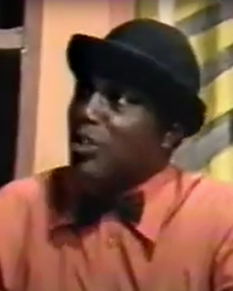
Back then, I had no clue what dandy meant. I sensed it had something to do with the character of the man on screen. His appearance, grammatical quips and bold ideas. He had that “edge”. Always dressed in that ocher dress shirt, a bow tie, and a hat. Simple, yet striking. That was my first introduction to a dandy, and perhaps fashion.
Who Is a (Black) Dandy?
That is the question curious fashion lovers are hoping Condé Nast will explore. The Metropolitan Museum of Art will also try to answer this at the Spring 2025 Met Costume Institute Exhibition. The exhibition which holds on Monday 5th of May, 2025 is titled “Superfine: Tailoring Black Style.”
The theme draws inspiration from Monica L. Miller’s 2009 seminal book Slaves to Fashion: Black Dandyism and the Styling of Black Diasporic Identity. This year’s Met Gala dress code “Tailored for You” pays homage to menswear and suiting. It promises to be a celebration of Black elegance and tailored creativity.
The Oxford Dictionary defines a dandy as “a man unduly devoted to style, smartness, and fashion in dress and appearance.” There’s an unmistakable tone in that colloquial expression. As though care in appearance is frivolous.
But in her book Slaves to Fashion, Monica L. Miller offers a more powerful backdrop. She writes:
“A Black dandy treats getting dressed as a discipline… wearing bold expressions of tailored fashion and refined style. They are inspired by European, African and American origins (whether they know it or not). They use their clothes and identity to control how they present themselves to the world. They also challenge stereotypes or limiting beliefs the world has placed on them.”
This shift in meaning is vital. From this lens, it becomes a form of resistance, of storytelling, of cultural fusion.
But…
As expected, the theme has sparked a flurry of discourse. Culture critics, historians, and stylists are all weighing in. Personally, while I welcome the spotlight on Black dandyism, I find the framing a little too narrow.
Yes, it’s important to trace how Black men have moved from a painful legacy of subjugation to a reclaimed sense of power and self-expression through fashion. That story deserves to be told. But dandyism isn’t just a post-enslavement narrative. It’s broader. It’s deeper.
It’s influence and effect cuts across gender, class, and generations. It exists in the gestures, the flair, and the wit. It is in the quiet rebellion of anyone—man or woman—who dares to show up as their authentic selves.
Afro Perspective
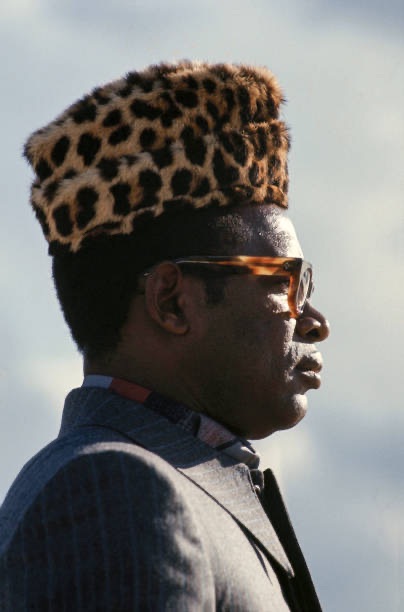
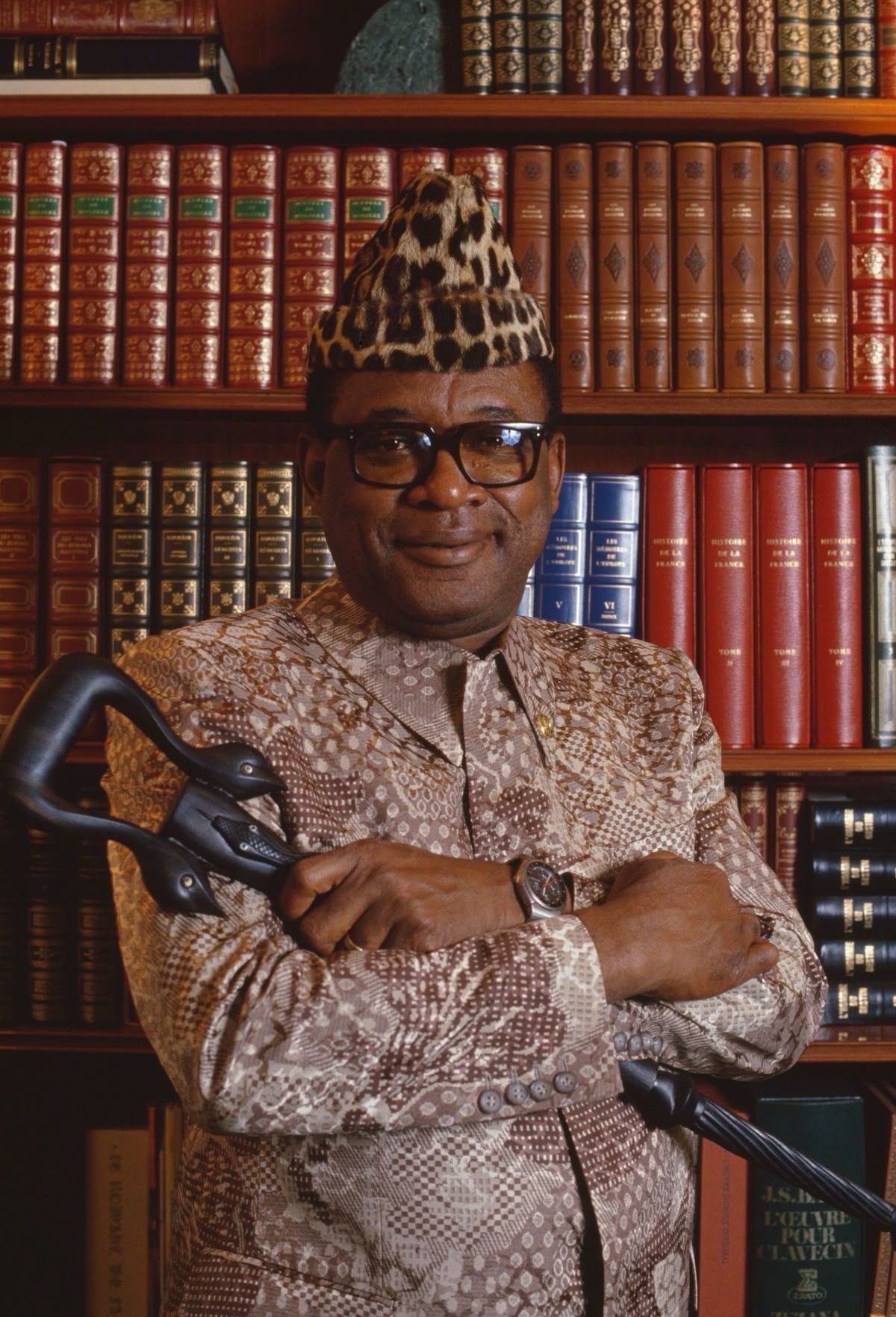
From military leaders to musicians, activists to entertainers, the African continent has always had its own expression of dandyism. Many of whom have communicated elegance, identity, and cultural subversion through clothing.
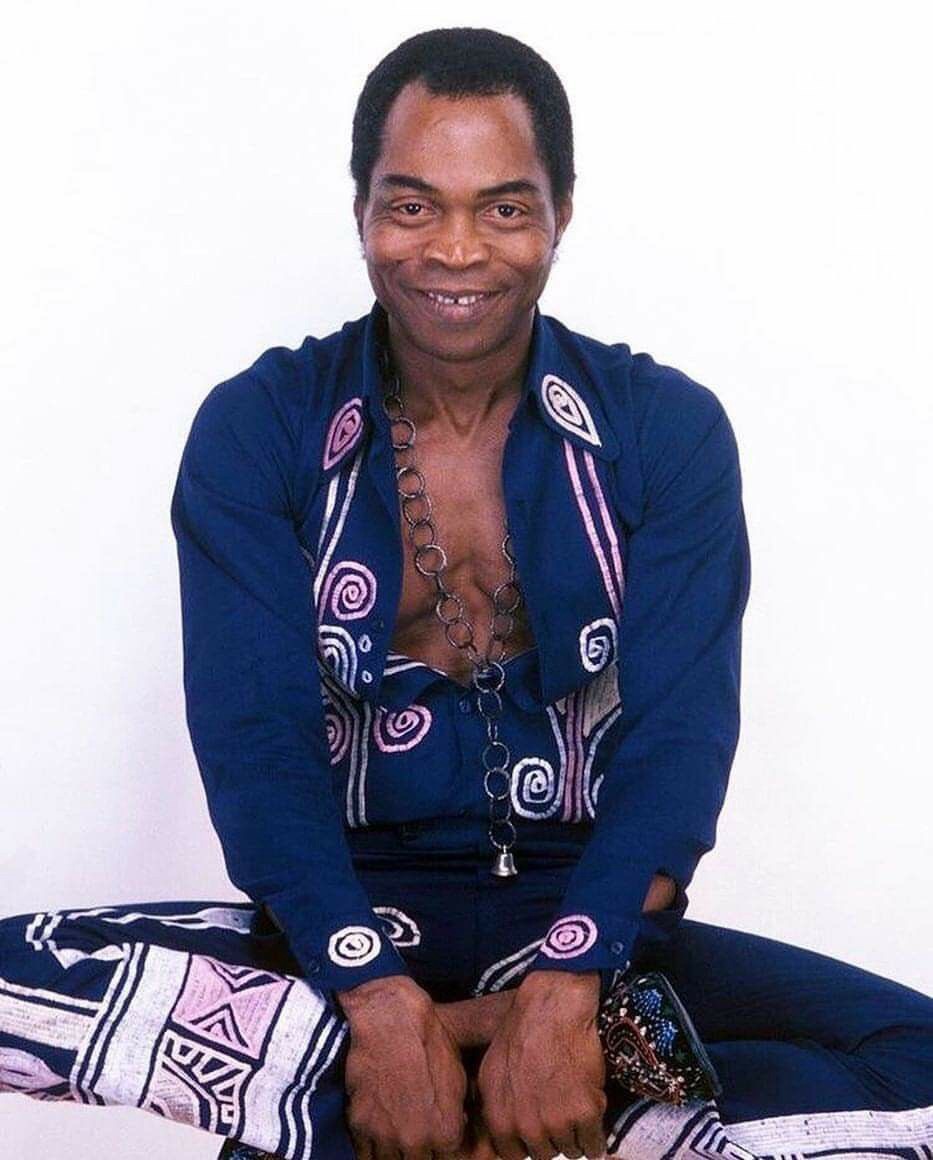
Even if they never used the word dandy, they embody the spirit. The roll call of Black dandies can’t be thorough without a mention of these enigmatic individuals from the motherland. They are trailblazers of tailored confidence and iconic self-styling:
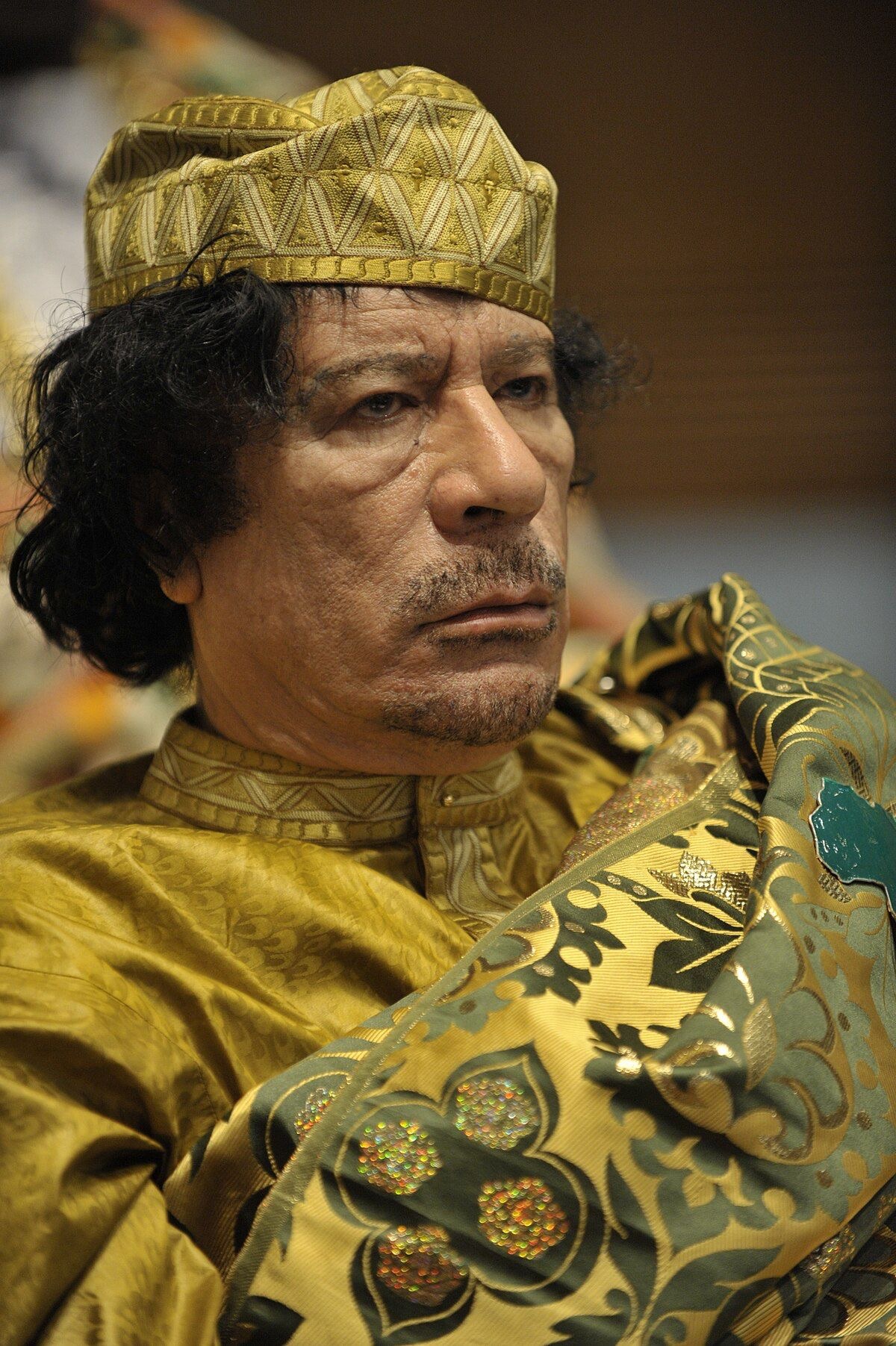
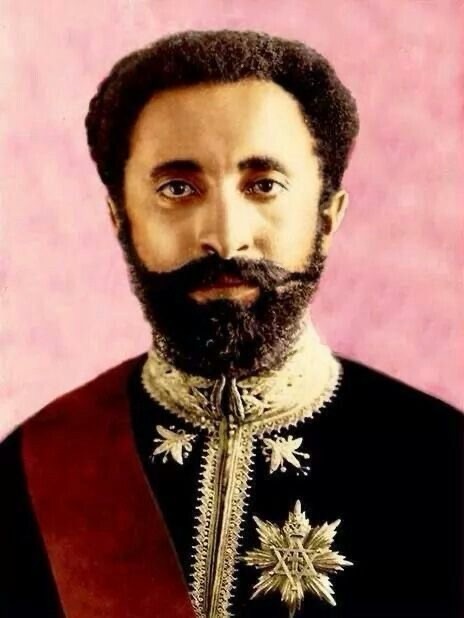
- The Sapeurs of Congo – The original gentlemen, and ladies, of resistance and style. Committed, flamboyant, and distinctly dapper.
- Fela Kuti – Bold, expressive, and unapologetically African.
- Mobutu Sese Seko – Dictator or not, the man had a personal aesthetic.
- Haile Selassie – A regal blend of military formality and cultural pride.
- Muammar Ghaddafi – Known for extravagant robes and strong visual symbolism.
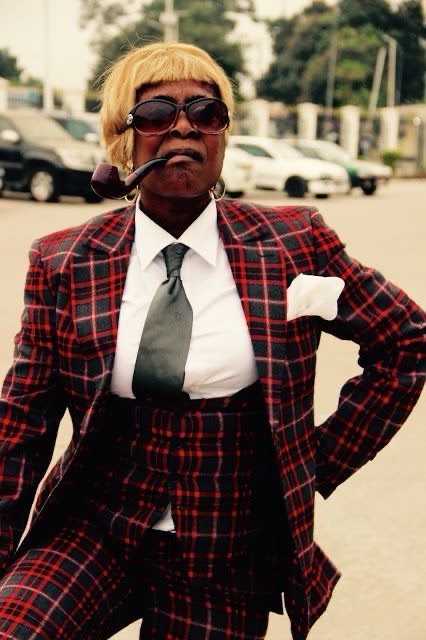
Future
Dandyism is alive and is evolving. It is not just a look or trend, it is an attitude. It’s for anyone who curates their presence as a form of art. Those who dress not just to impress but for expression.
I hope the conversation continues beyond the exhibition. And more people, especially from the African diaspora recognize and reclaim dandyism in all its forms.


Leave a comment